THE GENERATION Z WORKPLACE: WHAT THEY WANT, AND HOW TO RETAIN THEM
The Generation Z Workplace: What They Want, and How to Retain Them
Generation Z is entering the workforce in growing numbers, and reshaping the workplace as they go. They ask questions, challenge systems, and know what they want from an employer. Companies that understand what drives Gen Z build stronger cultures and retain talent longer. Companies that cling to outdated structures watch them walk out the door.
Drawing on research by Gen Z expert Laura Bas, interviews with employees across more than 30 organizations, and third-party consumer data, here's what's actually true about Gen Z at work, and what it means for the details employers control, like what's on offer in the office kitchen.
The myth debunked: Gen Z does want to work
Start with the most persistent misconception: that Gen Z is lazy or unwilling to work. It doesn't hold up.
"There is no country in Western Europe where young people work as much as in the Netherlands," says Laura Bas. "Seventy-seven percent of Dutch Gen Z'ers have a job. The European average is only 35%."
What Gen Z does differently is ask questions about how and why work happens the way it does. They were raised to think critically and expect real explanations, and they bring that mindset to the office. That's not a lack of commitment. It's a different way of working.
They're realistic too. With rising housing costs and higher retirement ages, long-term financial motivation looks different than it did for previous generations. They're not chasing a twenty-year tenure. They're looking for alignment now, and if it isn't there, they move on.
How to Retain Gen Z Employees: What They Actually Look For
Connection and community, not just Slack threads. The biggest misconception about Gen Z and work is that they'd rather stay home full time. "I rarely meet young professionals who say they want to work fully remotely," says Laura. "They want hybrid: a few days at home, but also time in the office to connect with others." Connection with colleagues ranked as the number one workplace motivator across her interviews. Gen Z shows up for an office that's worth showing up for.
A coach, not a boss. Hierarchy for its own sake doesn't land with this generation. "The ideal manager? They described it time and again as an inspiring coach," Laura says. "Someone who gives you space but is there when you need them, and sees your strengths." That's not about removing structure. It's about replacing control with clarity and encouragement.
Honest, timely feedback. Gen Z grew up in a continuous feedback loop, from likes on posts to in-app notifications. "They've grown up in a world with constant feedback. So when they don't get it at work, they wonder what's going on," Laura explains. They invest more in coaching and development than any generation before them, but the feedback needs to be timely and specific. Cold or delayed criticism discourages rather than helps.
Clear growth paths, not vague promises. Ask a Gen Z employee where they see themselves in five years and the answer might sound uncertain. Flip the question, ask what they'd need from the company to still want to be there in five years, and they'll give you a list. "They want clear steps," says Laura. "Just saying 'you're doing great, keep it up' isn't enough."
Culture and belonging, not just salary. Salary matters, and given inflation, Gen Z's purchasing power often trails what previous generations earned at the same age. Transparency around pay is a baseline expectation. But the deeper question in Laura's interviews kept being: do I feel good here? Gen Z wants to be part of something, with a sense of belonging and a mission that feels real.
Real inclusion, not diversity on paper. Gen Z was shaped by values of diversity, equity, and inclusion, and expects to see them reflected at work, not just referenced. "Companies talk about innovation, but decisions are still made by the same group of people," Laura observes. They don't expect to be in charge tomorrow, but they want a real seat at the table, whether that's an advisory board or an open feedback loop.
What Gen Z is actually drinking at work
Coffee used to be the default. It isn't anymore. Workplace beverage trends have shifted for the fastest-growing segment of the workforce: coffee is one option among several now, alongside flavored water, plant-based drinks, functional alternatives, and low- or no-alcohol options. Four categories are driving that shift.
Iced coffee and cold brew. When Gen Z reaches for coffee, it's cold more often than not. Iced coffee has gone from a summer extra to a year-round default under thirty.
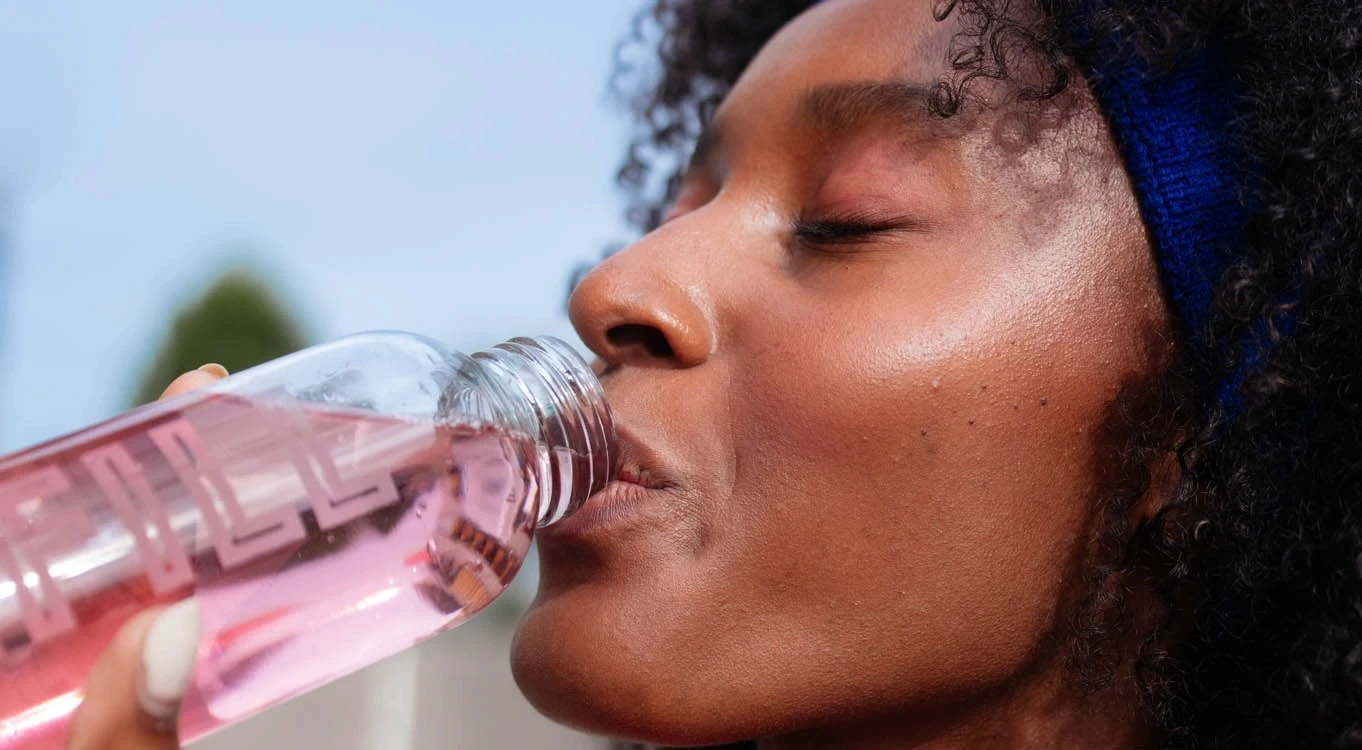
Flavored and functional water. Infused waters, sparkling water, and drinks with vitamins, electrolytes, or botanicals are the fastest-growing category by a wide margin. Over 40% of Gen Z has swapped their daily tea or coffee for a functional alternative altogether, and 70% bought a functional beverage in the three months before Mintel's 2024 survey.[1]
Plant-based drinks. Oat, almond, and soy milk aren't niche anymore. For a lot of Gen Z employees, they sit alongside dairy as the standard option in coffee, tea, or a morning smoothie.
Low- and no-alcohol alternatives. Gen Z drinks noticeably less alcohol than previous generations.[2] That shows up after 5pm too: borrels and office events where alcohol-free options are expected on the table, not tucked behind the bar.


More stories
Keep up with the latest articles written about Aquablu