Red Dot 2024 · NPS 90 · 600+ companies · 10+ countries















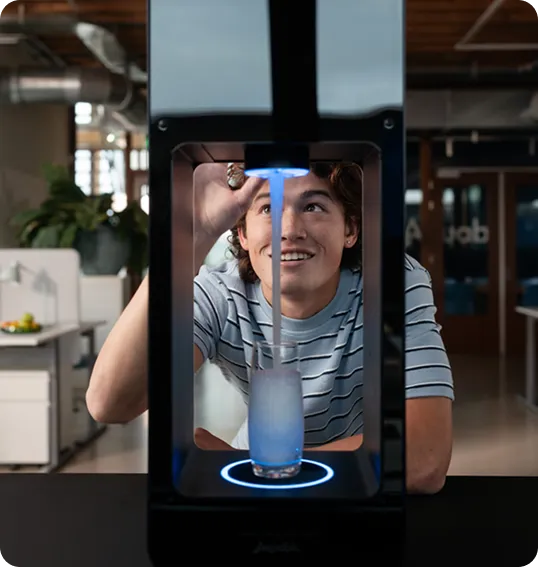
Seven connected REFILL+ Series 2 dispensers across eight pantries of the CMS Amsterdam HQ. One of the highest-density Aquablu fleets in a single building.
Collectively, they've avoided 82,000+ single-use bottles since installation, with a peak day of 147 Liters on 19 March 2026.
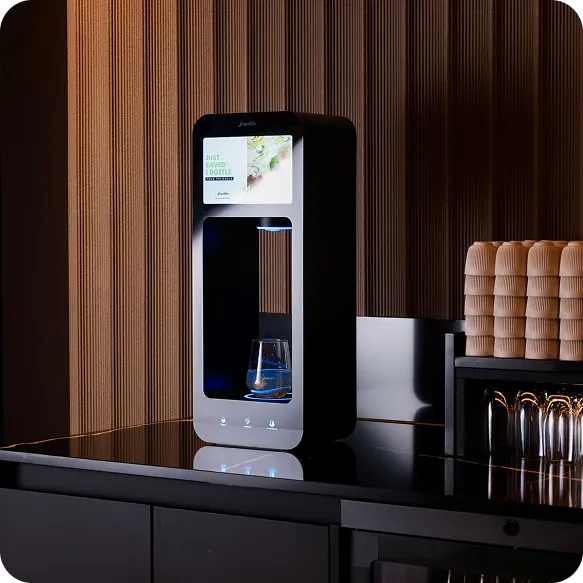
Through the longer use of the REFILL+ Series 2 units, we have noticed that, in addition to the sustainable aspect, we spend much less time on our catering. We save a lot of time no longer needing to replenish drinks, dispose of cans and bottles, or manage stock.
Other companies regularly contact me to inquire about their experiences with REFILL+ Series 2 units. My answer is always clear: do not ask staff for permission to gain support… Look at the result: healthier offerings, better appearance, lower costs, less waste

Andre boddeveld
Facility manager, CMS, Amsterdam HQ
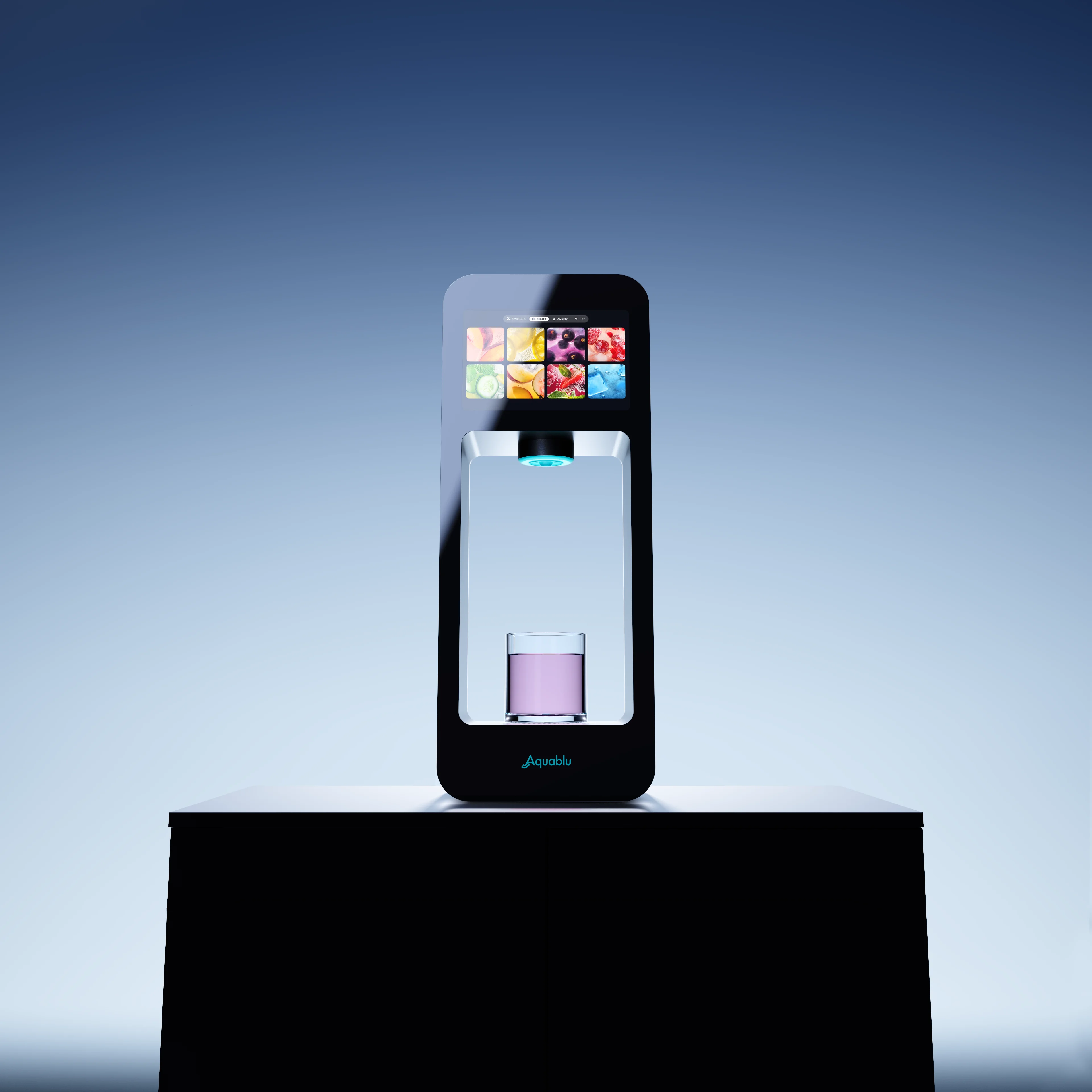
A Smarter, Healthier Office Water Cooler
8 flavors in the lineup. Six loaded in the machine at a time. All enriched with vitamins and minerals.
Two tea-friendly HOT temperatures (80 and 95-degrees)
Nano-Silver Filtration removes 99.9% of bacteria, contaminants and microplastics.
The AURA dashboard tracks every pour and flags refills before you run out.
OFFICE WATER SOLUTIONS COMPARISON
The bottled-water habit costs offices. The supplier calls, the delivery slots, the recycling stacks, the service tech showing up mid-meeting whether the unit needs anything or not.
A mains-connected water tap cuts back on operational complexity and ends the need for bottles and cans. Swap admin and effort for chilled, still and sparkling flavored vitamin water that a bottled cooler can't pour. With added HOT functionality. Aquablu sells a subscription, not a machine. The monthly cost of renting a water cooler - and exactly what that rate covers - is set out separately, and installation itself takes about 45 minutes once the site's ready.
Cost per employee / year
€76
€150-200
€347
Admin time per year
12 hours
40+ hours
143 hours
Vitamin / Flavor options
60 combinations
None
Limited
Smart Monitoring
✓ Automatic
Manual
N/A
Plastic Waste
0 bottles
Gallons
1,000+ / month
ESG Reporting
✓ Built-in
Manual
Not possible
Comparing us to a specific water cooler? See how Aquablu compares to Culligan
Self managed admin
Operational admin drains time and budget. We designed REFILL+ Series 2 to take that load off.
REFILL+ Series 2 ships with cellular connectivity built-in. Every dispense streams to the AURA dashboard the moment it happens.

Service performance across our European customers (last 12 months)
Low-touch model with two scheduled maintenance visits per year
Over 99% of anomalies auto-resolve before a service ticket fires
80% of errors clear within 24 hours; 92% within a week
Quarterly flavor line cleaning takes 12 minutes. A guided on-screen ritual the office runs itself. No service visit needed
Asking an FM to replace a filter on a schedule or do a stock take doesn't actually tell you what's going on with the system. When you're tracking every dispense you get the full picture. So instead of waiting for someone to report a problem, we already know about it and can get ahead of it
Ashlyn kennedy
Product Manager, Aquablu
Sparkling and flavored water at the office
A team that craves hydration.
A basic cooler pours one drink. That's why the soda machine and the fridge full of sugary cans stay put in offices where basic coolers are the default.
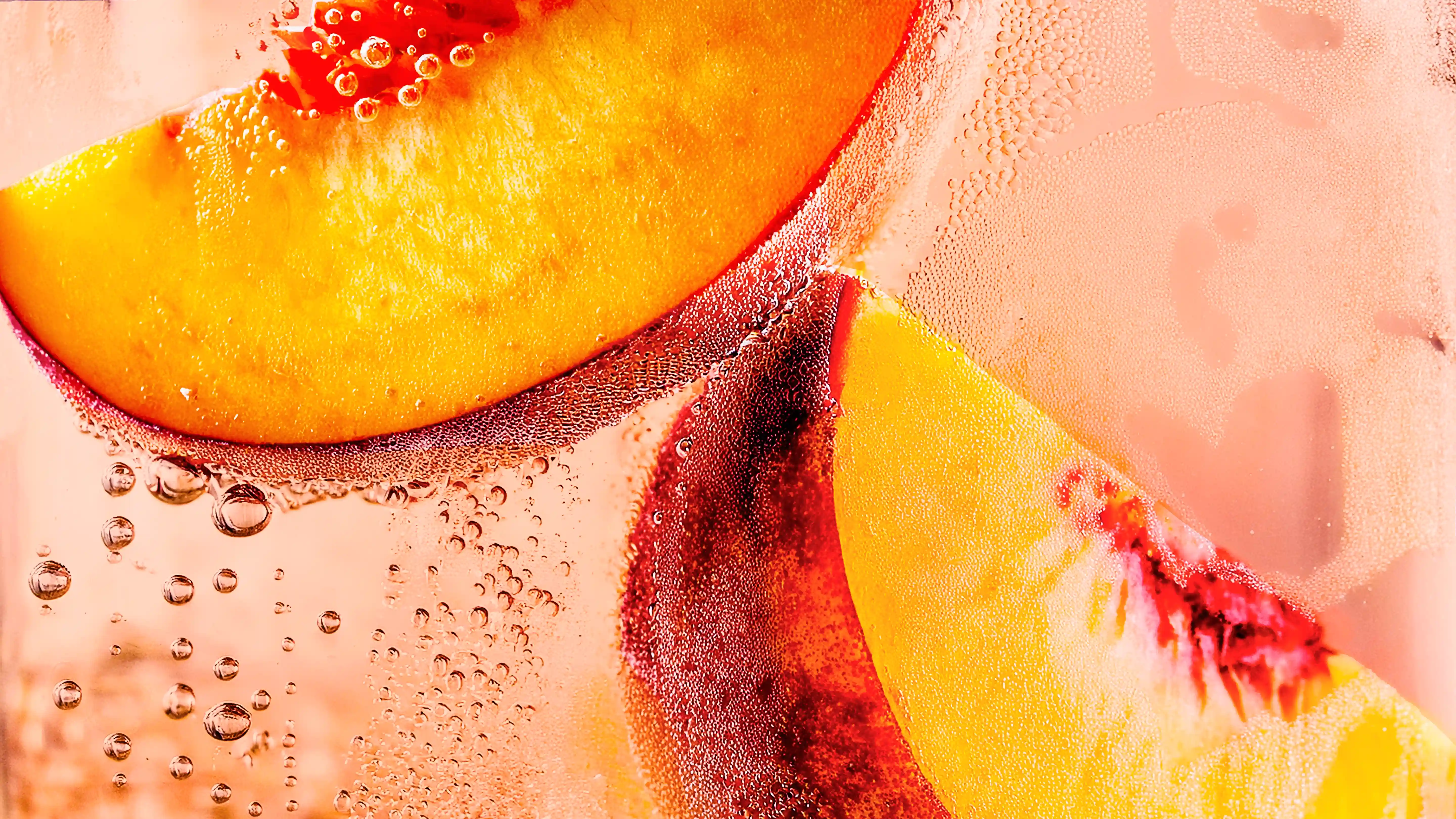
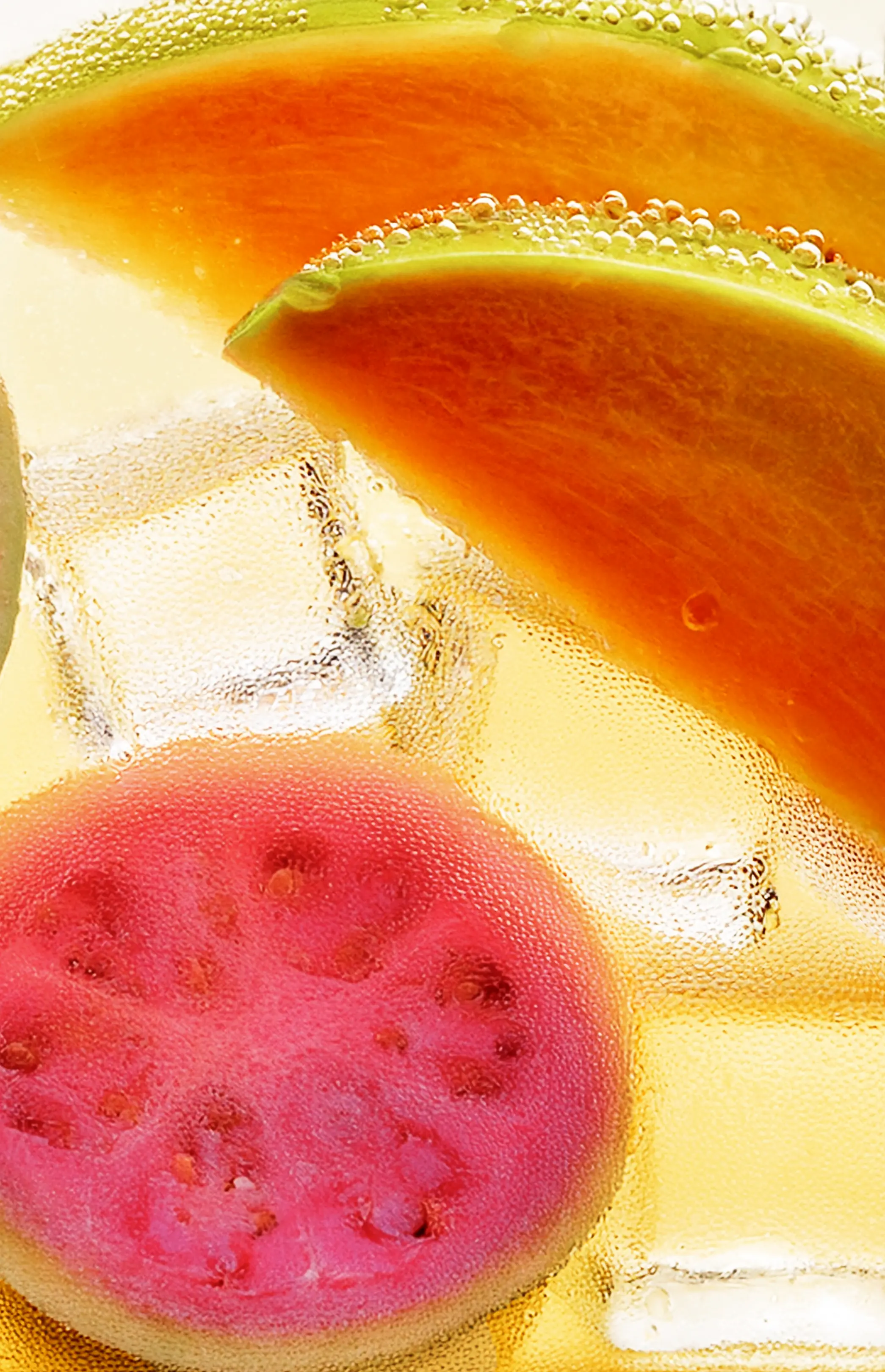
As a single water tap for office use, REFILL+ Series 2 pours 60+ zero-sugar hydration combinations from a lineup of eight functional flavors, all from one system. The first sparkling pour after lunch. The IMMUNITY hit on a cold-and-flu Monday. GLOW peach for a 3pm pick-me-up.
Ditch the sugary cans. Reach for functional flavors made to hydrate every moment of the workday.
FUN FACT
87% of teams with REFILL+ Series 2 rotate between six of our eight distinct flavors month-on-month. Teams love variety.






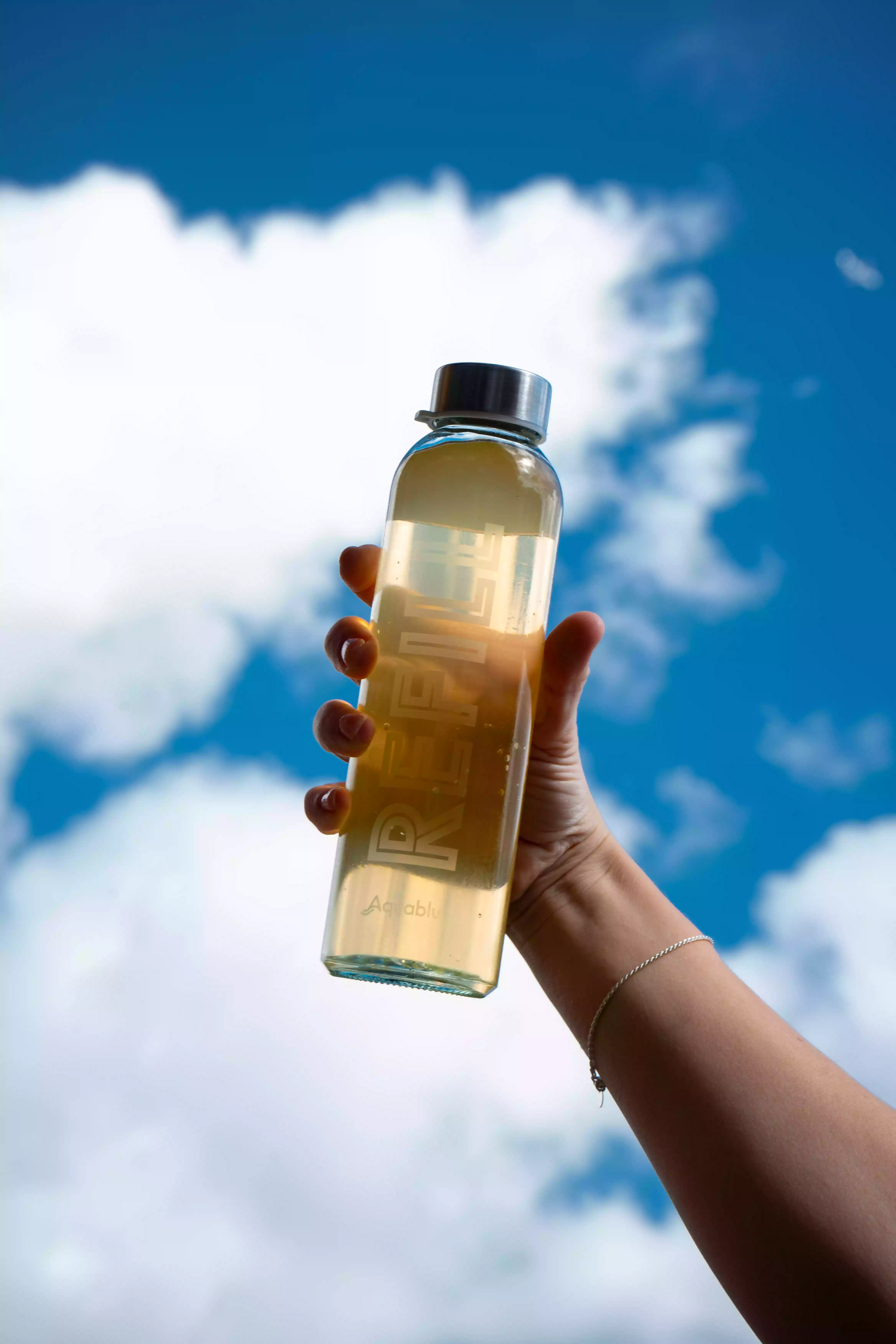
Instant ESG reporting.
Every pour logged. Plastic avoided, liters poured, and CO₂e, exported each quarter in the format your sustainability lead needs.
FUN FACT
8 million single-use 500 ml bottles avoided across our European clients in the last 12 months. 11 million avoided since installation.
Environmentally speaking, the REFILL+ is a huge help. The impact reports mean I can easily track our sustainability efforts.
Andre Boddeveld
Facility Manager, CMS
The afternoon stays sharp
A hydrated team is an energized team.
Even 1-2% dehydration can impair focus and performance (Riebl & Davy, Nutrition Today, 2013).
At 5CA, the old soda vending machine moved to a dark corner of the office. Employees reach for vitamin water now. Several have mentioned coming in more often for access to their favorite flavors.
A refreshing perk for the days you're working in office
Rianne Landman
Office Manager, 5CA
LEARN MORE
01
What does an office water cooler cost?
The cost of an office water cooler depends on its total cost of ownership (TCO), not just the upfront price. Traditional bottled water coolers often involve ongoing costs such as bottle refills, deliveries, storage, maintenance, and plastic waste. Aquablu smart water dispensers offer a simpler, all-inclusive alternative. Office subscriptions typically range from €0.30 to €0.39 per drink, based on consumption volume. Pricing includes installation, maintenance, servicing, and optional flavoring, with no bottle deliveries required. Plans are designed for offices with 25+ to 100+ employees and often result in a lower total cost than traditional bottled water coolers, especially for growing teams.
02
Is a water cooler mandatory in the office?
Yes. Under the Dutch Working Conditions Act (Arbowet), employers are required to provide employees with access to sufficient drinking water in the workplace. While the law does not mandate a specific type of system, a water cooler or water dispenser is a common and compliant solution for meeting this obligation.
03
What's better: mains water cooler or bottled water cooler?
Mains-connected water coolers are generally more cost-effective and sustainable than bottled water coolers, which require regular deliveries, storage, and plastic waste handling. However, both options often lack flexibility, usage transparency, and premium drinking experiences.
04
How much energy does a water cooler use?
Energy use varies by system, but modern mains-connected water coolers are designed to be energy efficient. Aquablu smart water dispensers have a maximum running power consumption of 350 W and a maximum rated power of 550 W, operating efficiently during active cooling and dispensing only. Thanks to on-demand cooling, efficient ventilation, and smart system design, Aquablu uses significantly less energy than continuously cooled bottled water systems, making it a more sustainable choice for offices.
05
How do I maintain a water cooler?
Maintenance depends on the system, but traditional water coolers often require frequent cleaning and manual servicing. Aquablu smart water dispensers are designed for minimal maintenance and high hygiene standards. * Weekly: 2-minute nozzle rinse * Every 3 months: Guided 12-minute flavor line cleaning * Yearly: Full system deep clean This streamlined maintenance routine minimizes downtime while ensuring consistently clean, great-tasting water.
06
Can a water cooler be connected to the mains water supply?
Yes. Aquablu water coolers are directly connected to the mains water supply. Installation requires a dedicated cold-water inlet (standard G 3/4” connection), sufficient water pressure, power access, drainage, and proper cabinet ventilation. Once connected, the system filters and dispenses water on demand — with no bottles, deliveries, or storage needed.