What Gen Z Expects at Work — and What That Means for Workplace Hydration & Sustainable Office Solutions
Gen Z is entering the workforce in growing numbers — and reshaping it as they go. They ask questions, challenge systems, and know exactly what they want from an employer. Companies that understand what drives this generation build stronger cultures and retain talent for longer. Those that cling to outdated structures watch them walk out the door.
But what does Gen Z actually want? And how do seemingly small details — like hydration and sustainability — fit into that bigger picture? Drawing on research by Gen Z expert Laura Bas, extensive interviews with employees across more than 30 organizations, and additional data, we’ve compiled the key insights.
The myth debunked: Gen Z does want to work
Let’s start by clearing up the most persistent misconception: that Gen Z is lazy or unwilling to work. That assumption simply doesn’t hold up.
“There is no country in Western Europe where young people work as much as in the Netherlands,” says Laura Bas. “Seventy-seven percent of Dutch Gen Z’ers have a job. The European average is only 35%.”
What Gen Z does differently is ask questions about how and why we work the way we do. They were raised to think critically, to push back, and to expect real explanations. They bring that same mindset to the workplace. That’s not a lack of commitment — it’s a different way of working.
They’re also realistic. With rising housing costs and higher retirement ages, long-term financial motivation looks different for them than it did for previous generations. They’re not necessarily chasing a 20-year tenure — they’re looking for alignment in the short to medium term. And if that alignment isn’t there, they move on.
What Gen Z really looks for at work
1. Connection and community — not just Slack threads
Perhaps the biggest misconception about Gen Z and work is that they’d rather stay home full-time. The reality is more nuanced. “I rarely meet young professionals who say they want to work fully remotely,” says Laura. “They want hybrid — a few days at home, but also time in the office to connect with others.”
Connection with colleagues ranked as the number one workplace motivator in Laura’s interviews. Gen Z craves real interaction — spontaneous conversations, in-person collaboration, even just having lunch together. They’ll show up for an office that’s worth showing up for.
2. A coach as a manager, not a boss
Traditional management styles don’t land well with Gen Z. Hierarchy for hierarchy’s sake doesn’t appeal to them. What they do value is support and space to grow.
“The ideal manager? They described it time and again as an inspiring coach,” says Laura. “Someone who gives you space but is there when you need them. Someone who sees your strengths and wants to help you grow.”
It’s not about removing structure — it’s about replacing control with clarity and encouragement. A manager who sets expectations, recognizes potential, and checks in regularly will go much further with this group than someone who leads with top-down authority.
3. Honest and timely feedback
Gen Z grew up in a continuous feedback loop — from likes on posts to in-app notifications. That doesn’t make them needy. It means feedback is part of their rhythm.
“They’ve grown up in a world with constant feedback. So when they don’t get it at work, they wonder what’s going on,” Laura explains. They invest more in coaching and personal development than any generation before them — but feedback needs to be timely, personal, and constructive. Cold or delayed criticism feels discouraging rather than helpful.
4. Clear growth paths, not vague promises
Ask a Gen Z employee where they want to be in five years and the answer might sound uncertain. Flip the question — “What would you need from this company to still want to be here in five years?” — and they’ll give you a list.
“They want clear steps,” says Laura. “They want to know what it takes to grow. Just saying ‘you’re doing great, keep it up’ isn’t enough.” Career paths don’t need to be rigid — but they do need to be visible.
5. Culture and belonging, not just salary
Salary matters — and Gen Z is right to ask about it. Due to inflation, their purchasing power is often lower than what previous generations earned at the same age. Transparency around pay is a baseline expectation, not a luxury.
But what kept coming up in Laura’s interviews was a deeper question: do I feel good here? Gen Z wants to be part of something. They look for a sense of belonging, a strong company mission, and the feeling that their presence genuinely makes a difference.
6. Real inclusion and input — not just diversity on paper
Gen Z has been shaped by values of diversity, equity, and inclusion. They expect to see those reflected in the workplace — and they want more than a seat at the table. They want their voice to actually count.
“Companies talk about innovation, but decisions are still made by the same group of people,” Laura observes. Gen Z doesn’t expect to be in charge tomorrow — but they do want to contribute, whether through advisory boards, open feedback loops, or the chance to help shape internal projects.
The sustainable generation: more than a trend
Gen Z is the first generation to have grown up entirely with the internet — and also the first to have spent their entire lives in the shadow of the climate crisis. That background colours everything: their consumer choices, their expectations of employers, and the way they view the world around them.
The numbers are clear. 87% of employees want their employer to facilitate a more sustainable working environment — and with Gen Z as the fastest-growing segment of the workforce, that figure will only rise. The majority of Gen Z shoppers prefer sustainable brands and are willing to pay more for them. The same principle applies to their employer.
Companies that are transparent about their sustainability efforts — and make those efforts visible in the day-to-day work environment — build a stronger bond with this generation. It’s not just about policy on paper. It’s about the details they see and experience every day.
Hydration as a workplace investment — smaller than you think, bigger than you’d expect
Of all the themes that surfaced in Laura’s research, workplace health is perhaps the most underestimated. “Health always came up,” she says. “Not just the option to exercise, but things like a healthy, paid lunch or having access to water throughout the day — small things that make you feel good.”
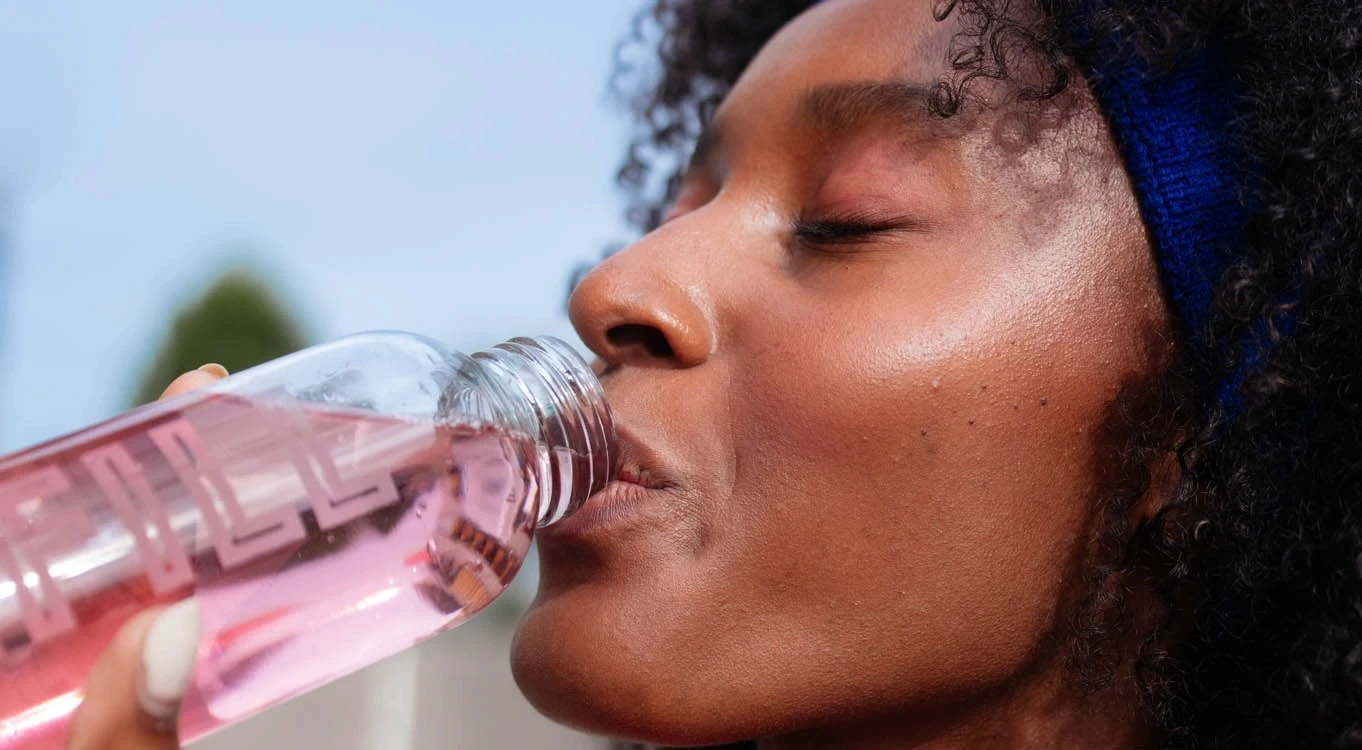
Hydration turned out to be a consistently recurring theme. In interview after interview, Gen Z employees mentioned access to good drinking water as something that helped them do their best work. Not as a luxury — but as a basic provision that signals: we care about you as a person, not just what you deliver.
This connects to a broader shift. The coffee culture that dominated offices for decades is slowly becoming outdated. Nearly half of Gen Z (46%) doesn’t drink coffee at all — not at home, not at work. They’re choosing healthier alternatives and personalised experiences.
At the same time, awareness around single-use plastic is growing. Gen Z doesn’t want to leave a pile of empty plastic bottles at the end of the day. They’re looking for solutions that are functional, sustainable, and that show a company has thought about its environmental footprint.
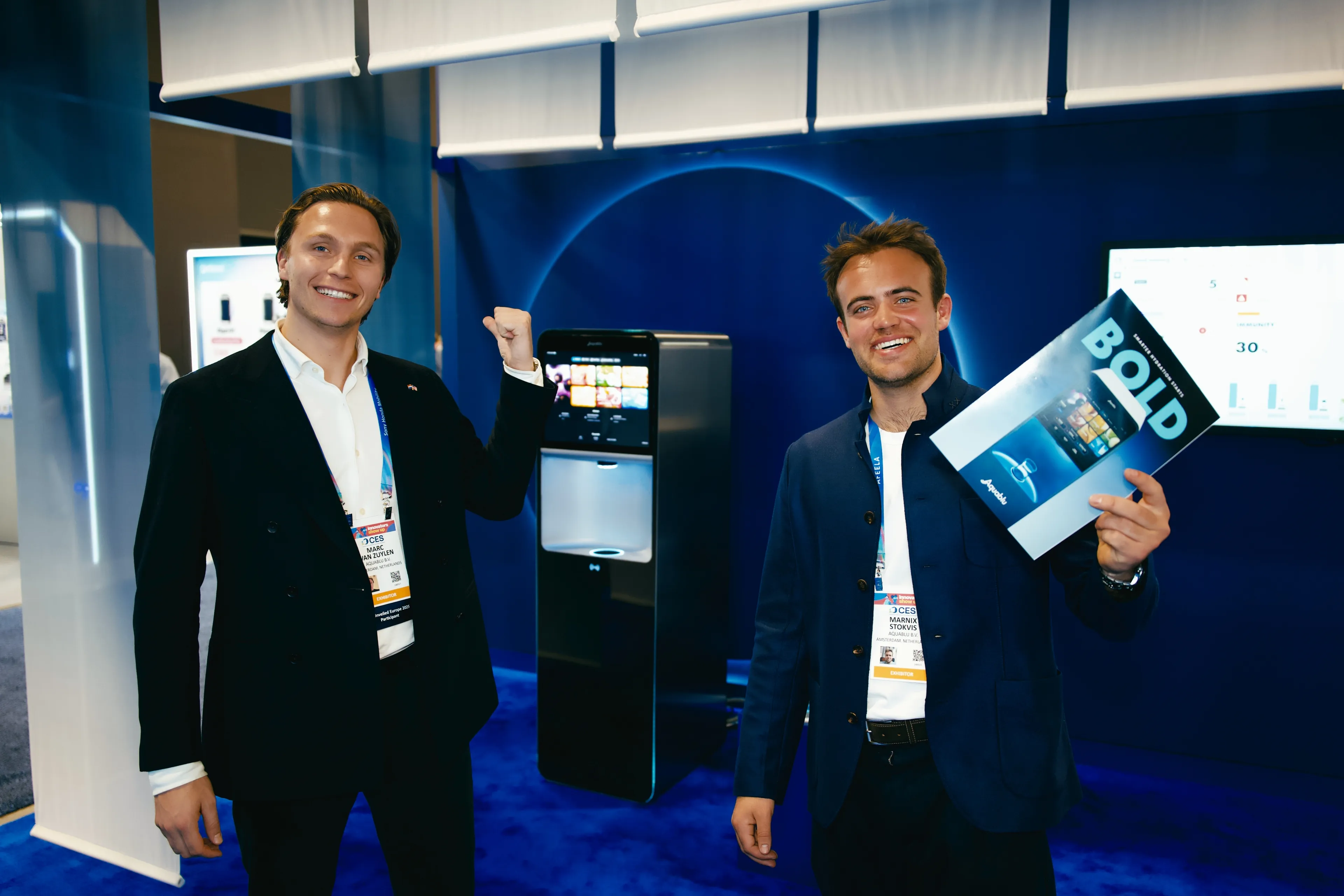
It’s why something like Aquablu REFILL+ Series 2 fits naturally into a Gen Z-friendly office: it’s functional, wellness-focused, and shows you care about the experience of being at work, not just the output.
From office water to office story: what a hydration solution communicates
A smart hydration point — like a system that offers filtered, flavoured, and sparkling water without single-use plastic — might seem like a small purchase. But in the eyes of a Gen Z employee, it sends a clear signal.
It says: we care about your health. We think about the details. And we invest in a workspace where people can thrive.
That’s exactly the message that resonates with everything Gen Z is looking for: wellbeing, sustainability, and choices that feel intentional. Not as a flashy perk, but as a sign of a workplace that supports the whole person.
“We value the wellbeing of our teams and always strive to implement more sustainable solutions. It’s safe to say that once we received our Aquablu REFILL+ in the office, it was immediately adopted by our entire team,” says Bas Drogtrop, CEO.
Conclusion: big cultural shift, small steps forward
Leading and retaining Gen Z doesn’t require a radical overhaul. It calls for intentional leadership, genuine communication, and a culture that puts people — not just performance — at the centre.
They want to grow. They want to be seen. They want their wellbeing to matter. And they want to be part of a company that listens, evolves, and takes responsibility — including for the planet.
Sometimes that starts with an open conversation about growth opportunities. Sometimes with a genuine feedback culture. And sometimes with something as simple as a good glass of water in the break room — filtered, flavourful, and free of plastic waste.
The small things count. Because Gen Z notices the details.
Final thoughts
Most Gen Z “problems” aren’t problems at all. They’re the growing pains of a workforce in transition.
This generation isn’t unmotivated. They’re intentional.
They’re not sensitive. They’re feedback-aware.
They’re not entitled. They’re asking good questions.
And when you meet them with clarity, structure, and a bit of care (yes—even in the form of better water), they show up in a big way.
Want more Gen Z insights?
Get our full eBook for practical workplace tips, top quotes from Laura, and everything we covered in the Gen Z 101 webinar—designed to help you lead, engage, and grow the next generation of talent.
More stories
Keep up with the latest articles written about Aquablu